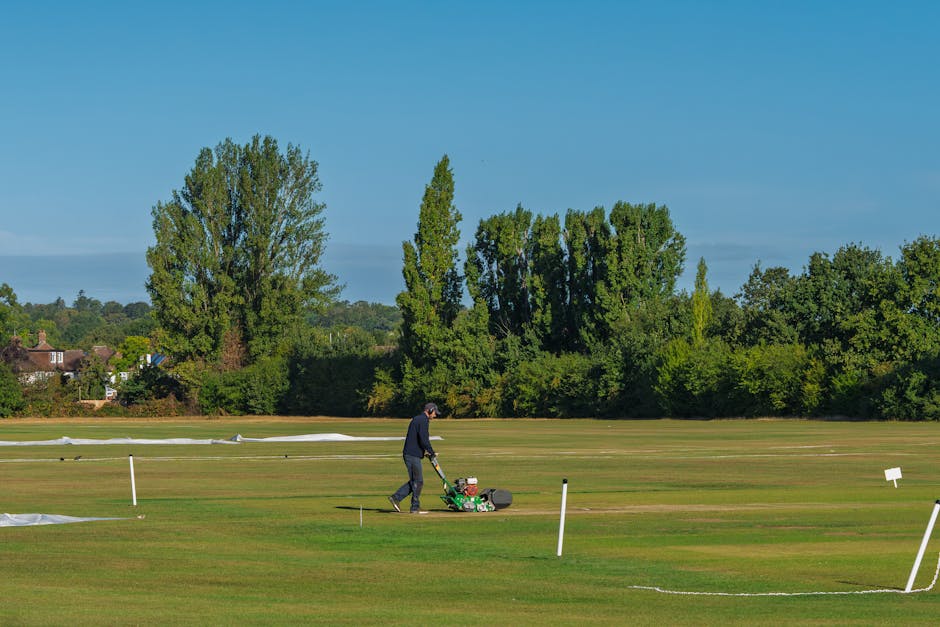
Garden maintenance near Canonbury Tower and Highbury Fields
If you're looking for garden maintenance near Canonbury Tower and Highbury Fields, you're probably dealing with one of two things: a garden that has quietly got away from you, or one that needs regular, careful attention to stay at its best. In this part of north London, gardens often have their own personality. Some are compact courtyards tucked behind period homes, some are shared spaces, and some are surprisingly leafy patches that need steady, thoughtful care rather than a once-a-year tidy-up.
The good news? A well-kept garden doesn't have to look overworked or overly formal. It just needs the right rhythm. That means pruning at the right time, keeping on top of weeds before they turn into a small rebellion, and making practical choices that suit the space, the light, and the way you actually use the garden. This guide covers what garden maintenance involves, how it works locally, what to watch out for, and how to make sensible decisions without wasting time or money.
Table of Contents
- Why garden maintenance matters in this part of Canonbury
- How regular garden maintenance works
- Key benefits and practical advantages
- Who this is for and when it makes sense
- Step-by-step guidance
- Expert tips for better results
- Common mistakes to avoid
- Tools, resources and recommendations
- Law, compliance, standards, and best practice
- Options and comparison table
- Case study or real-world example
- Practical checklist
- Conclusion
- Frequently asked questions
Why Garden maintenance near Canonbury Tower and Highbury Fields Matters
Gardens near Canonbury Tower and Highbury Fields tend to face a mix of pressures: shade from mature trees or nearby buildings, pockets of exposed wind, limited access in tighter plots, and the usual London challenge of keeping spaces looking calm in a busy environment. A garden can look fine for weeks, then one wet spell and a bit of mild warmth and suddenly you've got weeds, leggy growth, and a lawn that looks a touch tired. Happens all the time.
Regular maintenance matters because it keeps small problems from becoming costly ones. Ivy creeping into borders, moss settling in shady lawn areas, hedges swelling beyond their shape, or patio edges collecting slippery debris are all easier to deal with when tackled early. If you want a tidy, usable garden rather than a space you only admire from inside, consistency is the whole game.
There's also a presentation aspect. In a neighbourhood where kerb appeal and shared standards can matter, a cared-for garden feels considerate. It frames the property properly. It makes sitting outside more inviting. And, to be fair, it tends to make people more likely to actually use the space rather than just promise themselves they'll get around to it "next weekend".
Expert summary: The best garden maintenance is not about making everything look clipped into submission. It's about creating a steady routine that keeps plants healthy, hard surfaces safe, and the whole garden easy to live with.
For properties with hedging, climbers, or dense planting, specialised support can also help prevent overgrowth and preserve structure. If that sounds familiar, a dedicated approach like hedge trimming Canonbury can be especially useful when a border starts to lose shape or block light.
How Garden maintenance near Canonbury Tower and Highbury Fields Works
At its simplest, garden maintenance is a repeated set of seasonal and monthly tasks that keep the garden healthy, neat, and functional. In practice, it usually starts with an assessment: what needs urgent attention, what can wait, and what needs a longer-term plan. A good gardener will look at soil condition, lawn health, hedge density, weeds, drainage, access, and the level of upkeep the garden can realistically sustain.
Most maintenance plans are built around recurring jobs. These often include mowing, edging, weeding, pruning, deadheading, hedge shaping, leaf clearance, border tidying, feeding where needed, and checking for signs of disease or stress. In some gardens, that also includes patio washing, light jet or pressure cleaning where appropriate, and general debris removal after windy weather.
Timing matters a lot. In spring, the job is usually about renewal: cutting back winter damage, feeding the soil, and encouraging healthy new growth. Through summer, attention shifts to watering, mowing, clipping, and keeping plants from getting too crowded. Autumn is about clearing leaves and protecting the garden before the colder months arrive. Winter is often quieter, but it's still useful for structural pruning, planning, and sorting out issues that are easier to address when growth has slowed.
A sensible maintenance routine also depends on the style of garden. A small courtyard with pots needs different care from a lawn-heavy family garden, and a wildlife-friendly planting scheme needs a lighter hand than a more formal design. That's why a one-size-fits-all schedule rarely works very well.
If you want support beyond basic upkeep, a broader gardening services approach can cover more than weekly tidying, especially when the garden needs shaping, replanting, or a small redesign.
Key Benefits and Practical Advantages
The benefits of proper garden maintenance are easier to feel than to explain, but they are real. The garden becomes simpler to enjoy, easier to manage, and far less stressful to look at on a rainy Tuesday morning. That matters more than it sounds.
- Healthier plants: Regular cutting, feeding, and weed control helps plants use energy more efficiently.
- Better use of space: Tidy borders, controlled hedges, and clear paths make the garden feel bigger and more usable.
- Reduced long-term cost: Catching problems early usually costs less than dealing with major overgrowth or plant failure later.
- Improved safety: Slippery surfaces, broken branches, and poor visibility around paths are easier to manage when gardens are checked regularly.
- Higher visual appeal: A neat, balanced garden lifts the whole property without needing a full redesign.
- Less weekend catch-up: This one is underrated. Maintenance turns "all-day job" chaos into manageable routines.
For many London gardens, the practical advantage is not luxury. It's time. With regular care, a small outdoor space can stay welcoming instead of becoming another thing on the to-do list. Truth be told, that alone can make the service worthwhile.
Some gardens also benefit from related work, such as mowing and lawn feeding. If the lawn is the feature that draws the eye first, see lawn care for a more focused approach to keeping turf dense, green, and resilient.
Who This Is For and When It Makes Sense
Garden maintenance near Canonbury Tower and Highbury Fields makes sense for a wide range of people, not just homeowners with sprawling lawns. In fact, some of the most maintenance-sensitive gardens are the smallest ones, because every detail is visible and every weed feels like it doubled in size overnight.
This service is a strong fit if you:
- work long hours and want the garden to stay presentable without constant catch-up;
- have a rental or managed property where outdoor presentation matters;
- have a family garden that needs to stay safe and usable;
- struggle with overgrown hedges, ivy, or thick borders;
- want to improve a garden before selling or letting a property;
- prefer reliable upkeep rather than occasional big clear-outs.
It also makes sense when seasonal changes are starting to show. A patchy lawn, climbing weeds, or hedges that have lost shape are often signs that the garden needs a routine rather than a one-off rescue. If you've ever looked out at the space and thought, "I'll sort that next month," that's usually the moment to act, not later.
For people dealing with privacy, boundary planting, or dense screening, it can be useful to think beyond maintenance and into structure. A well-chosen planting plan, plus guidance from fast-growing hedges for privacy, can help create a garden that feels more enclosed and peaceful over time.
Step-by-Step Guidance
If you're trying to understand what a proper garden maintenance visit or plan looks like, it helps to break it into stages. The process is usually straightforward, though the detail depends on the garden's condition.
- Assess the garden properly. Look at lawn condition, border growth, hedge height, weeds, hard surfaces, and any obvious problem areas. A shady border that's struggling will need different care from a sunny one that's simply overgrown.
- Set priorities. Some jobs are cosmetic, others are structural. Broken branches, invasive weeds, or blocked access should come before neatness.
- Clear debris first. Leaves, fallen twigs, old stems, and dead growth get in the way of everything else. Removing them first makes the rest of the work faster and cleaner.
- Cut back and shape. Prune perennials, trim hedges, edge borders, and tidy lawn margins. This is where the garden starts to look intentional again.
- Weed carefully. Pull weeds at the root where possible. For tougher areas, persistent weed control is better than a quick surface scrape that just encourages regrowth.
- Treat the lawn and soil. Aerate compacted areas, feed where needed, and check whether bare patches need reseeding or repair.
- Refresh the detail. Pots, borders, stepping-stones, seating areas, and paths should be cleared and checked so the whole space feels coherent.
- Plan the next visit. Good maintenance is ongoing. A garden that looks great today can drift quickly without the next check-in already scheduled.
It's worth noting that some tasks should be handled with extra care. Heavy pruning at the wrong time can set back flowering, and over-cleaning surfaces can damage delicate finishes. A thoughtful approach avoids that "too tidy to be alive" look that some gardens end up with. You know the one.
Expert Tips for Better Results
The biggest improvement usually comes from a few small habits done well, not from dramatic intervention. In our experience, the best-maintained gardens are the ones that are checked regularly and adjusted before problems get established.
- Work with the garden's natural light. Shade, partial shade, and full sun all change how fast plants grow and how often upkeep is needed.
- Don't cut everything at once. Staggering pruning and deadheading can reduce stress on plants and keep the garden looking balanced.
- Use mulch where appropriate. It helps suppress weeds and retain moisture, especially in borders that dry out quickly.
- Choose plants that suit the site. A low-light courtyard should not be treated like an open suburban lawn. That way lies disappointment, honestly.
- Keep hard surfaces on the maintenance list. Paths, patios, and decking can become slippery or dull if they're ignored.
- Monitor after storms. Wind and rain can shift pots, snap stems, and clog corners with debris surprisingly fast.
If you're trying to lower ongoing effort, a good plant mix matters just as much as a good schedule. Ground cover can help reduce bare soil, soften edges, and make weeds less competitive. For ideas, the article on ground cover plants for UK gardens is a useful starting point.
And if your garden is full of climbers or older planting, keep an eye on growth at the boundaries. A hidden problem can become a very visible one after a few warm weeks. Gardens are sneaky like that.
Common Mistakes to Avoid
Most maintenance issues are caused less by bad intentions and more by delay. People mean to deal with the garden, then weather, work, and life happen. Fair enough. But a few patterns come up again and again.
- Waiting too long between visits: Once weeds seed and hedges overextend, the work becomes more disruptive.
- Over-pruning hedges or shrubs: Cutting back too hard can strip structure and reduce future growth.
- Ignoring ivy and other aggressive climbers: They can smother plants, damage masonry, and spread further than expected. If this is already happening, this guide on removing English ivy is especially relevant.
- Using the wrong tools for the task: A blunt pair of shears or an unsuitable mower makes everything harder and messier.
- Forgetting drainage and runoff: Especially in London gardens, waterlogging or poor drainage can quietly undermine plant health.
- Treating every space the same: Borders, lawns, beds, paths, and decking each need different care.
Another common issue is trying to solve a structural garden problem with a cosmetic fix. Trimming a hedge is useful. But if a hedge is thinning, overgrown, or planted in the wrong place, the real answer may involve reshaping, replacing, or rethinking the boundary altogether. That's where experience helps.
Tools, Resources and Recommendations
Good maintenance starts with good tools, but you do not need a van full of gear to keep a garden under control. The basics matter most, and they should be maintained as carefully as the garden itself. A clean, sharp tool makes a noticeable difference; a dull one just bruises stems and wastes your afternoon.
Useful tools typically include:
- secateurs for pruning and deadheading;
- hedge trimmers or shears for shaping;
- lawn mower and edging tools for turf maintenance;
- fork or aerator for compacted soil;
- gloves, rake, and sturdy waste bags for general tidy-up work;
- watering can or hose for dry spells;
- hoe or hand weeder for border maintenance.
For people building a garden routine from scratch, it can help to revisit the basics with essential gardening tools and first-garden tips. Those articles are not just for beginners, either. Sometimes a simple reminder about tool choice or planting spacing saves a lot of time later.
If you're interested in planting choices that reduce future maintenance, you may also find low-maintenance garden ideas on a budget useful. It's a practical angle, especially where space is tight and upkeep needs to stay realistic.
Law, Compliance, Standards, and Best Practice
For most household gardens, maintenance is not heavily regulated in the way building work is, but there are still sensible standards to follow. Waste disposal, safe use of tools, and care around trees, hedges, and boundaries all matter. If a property is rented or managed, the expectation is usually that the garden remains reasonably safe, tidy, and free from avoidable hazards.
Best practice includes using qualified judgment for larger jobs. For example, large tree work should not be treated as casual DIY if there is risk to people, buildings, or neighbouring property. In those cases, a dedicated tree surgery service is the more careful route. The same thinking applies to fences, decking, and other boundary features that can become unsafe if neglected.
It's also worth taking health and safety seriously. Good practice means using the right PPE, keeping paths clear while work is underway, handling sharp tools properly, and being cautious with ladders or powered equipment. If you want a clearer view of the company's approach, pages such as health and safety policy, insurance and safety, and terms and conditions provide useful context.
For customers comparing providers, transparency matters too. Clear pricing, realistic scheduling, and proper communication are all signs that the service is run responsibly. You should not feel rushed into a decision, and you should expect straightforward answers about what is included and what is not.
Options, Methods, or Comparison Table
Not every garden needs the same level of attention, so it helps to compare the main maintenance styles before choosing an approach. A short visit every couple of weeks can be perfect for some spaces. Other gardens need a more thorough seasonal reset.
| Maintenance approach | Best for | Typical focus | Why it works |
|---|---|---|---|
| Light regular upkeep | Small, tidy gardens | Weeding, trimming, edging, quick checks | Keeps the garden from slipping without big disruption |
| Seasonal reset | Overgrown or neglected gardens | Cut-back, clearance, pruning, bed recovery | Useful when the space needs a proper restart |
| Routine lawn and border care | Front and rear gardens with visible lawns | Mowing, feeding, edging, patch repair | Best if the lawn is a major feature |
| Full garden management | Busy households or managed properties | Ongoing maintenance, planting support, hard surface care | Reduces admin and keeps standards consistent |
If your garden has a lawn that dominates the space, a dedicated mowing service can keep the whole area looking sharper. See lawn mowing for that more focused option. If your issue is broader turf health rather than just appearance, lawn care may be the better fit.
For hard surfaces, you might also compare upkeep for patios and decking. A clean patio often changes the feel of a garden more than people expect, and worn decking can drag down an otherwise healthy space. Patio cleaning and decking services can play a surprisingly big role in the final result.
Case Study or Real-World Example
Imagine a modest rear garden near Highbury Fields with a narrow lawn, two mature shrubs, a hedge boundary, and a patio that collects leaf litter after windy days. Nothing dramatic. Just the kind of space that looks lovely in May and slightly chaotic by late summer if nobody stays on top of it.
In that sort of garden, the first maintenance visit often focuses on clearing out old growth, reducing hedge bulk, cutting the lawn properly, and removing weeds from along the fence line and patio edges. A second pass might involve feeding the lawn, mulching the borders, and reshaping shrubs so light can reach the lower planting. After that, the garden becomes much easier to manage. Not perfect. Just easier. Which is usually the real goal.
Over a few visits, the transformation is less about dramatic change and more about rhythm. The lawn starts looking thicker. The hedge holds its line. The patio feels useable again. And the owners stop dreading the view out the kitchen window, which is no small thing on a grey London morning.
If a boundary issue is part of the picture, maybe a sagging panel or weak section, it can be sensible to combine upkeep with fencing work so the garden feels properly finished rather than patched together.
Practical Checklist
Use this quick checklist if you want to keep your garden maintenance on track through the year:
- Check lawns weekly during active growing periods.
- Trim hedges before they become difficult to control.
- Remove weeds before they seed.
- Clear leaves and debris from paths and borders.
- Inspect for overgrowth, disease, and pest damage.
- Keep hard surfaces clean and safe underfoot.
- Refresh mulch or soil conditioners where needed.
- Water containers and newly planted areas consistently.
- Review drainage after heavy rain.
- Schedule seasonal cut-backs before growth becomes unruly.
- Separate urgent work from cosmetic tidy-up jobs.
- Keep tools clean, sharp, and ready to use.
If you want a garden that stays calm instead of constantly demanding attention, this checklist helps more than you might think. A little, often, wins. It really does.
Conclusion
Garden maintenance near Canonbury Tower and Highbury Fields is about more than keeping things neat. It's about making your outdoor space usable, healthy, and genuinely pleasant to be in. Whether you need regular lawn care, hedge shaping, seasonal clearance, or help getting an overgrown garden back under control, the right maintenance plan will save time and reduce stress.
The best results usually come from simple, steady attention. A clean edge here, a timely prune there, a bit of weed control before it turns into a bigger job. Nothing glamorous. But gardens are often won by these small, reliable habits. And when the light catches the leaves just right after a tidy-up, you feel the difference straight away.
Get a free quote today and see how much you can save.
For background on the team and how they work, you may also want to read about us. If you are ready to talk through what your garden needs, the next step is straightforward.
Frequently Asked Questions
How often should garden maintenance be done near Canonbury Tower and Highbury Fields?
Most gardens benefit from fortnightly or monthly maintenance during the growing season, but it depends on the planting, lawn size, and how visible the space is. A small courtyard with fast-growing borders may need more frequent attention than a simple paved garden with a few containers.
What does a typical garden maintenance visit include?
A typical visit may include mowing, edging, weeding, hedge trimming, deadheading, clearing debris, and checking for plant stress or damage. Some gardens also need patio cleaning, border tidying, or light pruning.
Is garden maintenance worth it for a small London garden?
Yes, often more so than in larger spaces. Small gardens show neglect quickly, so regular maintenance helps them stay usable and attractive without requiring huge effort later.
Can you help if my garden is already overgrown?
Absolutely. Overgrown gardens usually need a clearance or reset before routine maintenance can begin. Once the space is back under control, ongoing visits are much more manageable.
What is the difference between garden maintenance and lawn care?
Garden maintenance covers the whole outdoor space, including borders, hedges, paths, and general tidying. Lawn care focuses more specifically on turf health, feeding, mowing patterns, aeration, and patch repair.
Do I need hedge trimming as part of garden maintenance?
If your garden has hedges, then yes, usually. Keeping them shaped and controlled helps with light, privacy, and appearance. Left too long, hedges can become dense, uneven, and harder to recover.
What should I do about ivy or invasive growth?
Deal with it early. Ivy and similar climbers can spread rapidly, take over borders, and cause damage if left unchecked. If it's already established, targeted removal is usually better than a quick surface cut.
How do I know if my garden needs a one-off tidy or ongoing maintenance?
If the space only looks untidy after a storm or seasonal change, a one-off tidy may be enough. If it quickly drifts back into disorder, regular maintenance is probably the better long-term choice.
Can garden maintenance include patio or decking cleaning?
Yes, it often can. Hard surfaces collect moss, algae, leaf stains, and dirt, so cleaning them as part of the overall schedule helps the whole garden feel fresher and safer.
Are there safety or insurance considerations I should ask about?
Yes. It's sensible to ask how work is carried out safely, especially when ladders, sharp tools, or larger pruning tasks are involved. Good providers should be clear about insurance and safety practices.
How do seasonal changes affect garden maintenance in London?
Spring usually brings growth and renewal, summer brings watering and regular clipping, autumn brings leaf clearance, and winter is often about structure, protection, and planning. Each season changes the work quite a bit.
What is the best next step if I'm comparing garden services?
Start by identifying your main problem: lawn, hedges, weeds, hard surfaces, or a full-overhaul job. Then compare services that match that need and ask for a clear explanation of what's included. The right fit is usually obvious once the scope is properly discussed.